Are you planning a trip to Myanmar? Whether you’re a first-timer or a seasoned traveler, it’s important to know what to do before you go. From getting your visa to learning the local customs, there are a few things that you should do before jetting off. To make sure your trip is as smooth and enjoyable as possible, here is a list of essential things to do before traveling to Myanmar.
Research the Culture and Etiquette: Learn the basic cultural norms and customs of Myanmar before visiting to avoid any potential faux pas.
Before traveling to Myanmar, it’s important to do some research on the culture and etiquette. This is really important because you don’t want to be offending anyone or doing something that could be seen as disrespectful. It’s important to learn about the basic cultural norms and customs of Myanmar so you can make the most of your trip. For example, it’s important to remember to take off your shoes when entering a temple or someone’s house, and you should also dress appropriately, respecting the more conservative culture. Also, it’s important to remember that it’s considered rude to point with your index finger, so use a closed fist instead. Knowing the customs of Myanmar and being mindful of them will ensure your trip is as enjoyable and respectful as possible.
Get Vaccinated: Make sure to get all recommended vaccinations before traveling to Myanmar.

Before traveling to Myanmar, it’s important to make sure you get all the recommended vaccinations. Even if you’re a generally healthy person, it’s always better to be safe than sorry. And if you’re going to be out in nature, exploring the country, it’s even more important to get the right shots. So make sure to check the Centers for Disease Control and Prevention’s website for their vaccination recommendations and ask your doctor what vaccines you might need. It’s also a good idea to bring a travel first aid kit with you, just in case. That way, you’ll be prepared for whatever comes your way!
Prepare Your Documents: Ensure that you have all the necessary documents, including a valid passport and visa.

Before traveling to Myanmar, it’s important to make sure you have all the necessary documents. Make sure you have a valid passport and visa. It’s also a good idea to check the Myanmar embassy website to ensure you have all the correct documents. If you’re an international student, make sure you bring along your university ID, as it’s often required by immigration. Also, don’t forget to bring proof of payment for any fees associated with your visa. Finally, if you’re staying for more than a month, make sure you have a valid travel health insurance policy. Being prepared will help make your adventure to Myanmar smoother and easier!
Plan Your Trip: Research the best places to visit and make a detailed itinerary of your trip
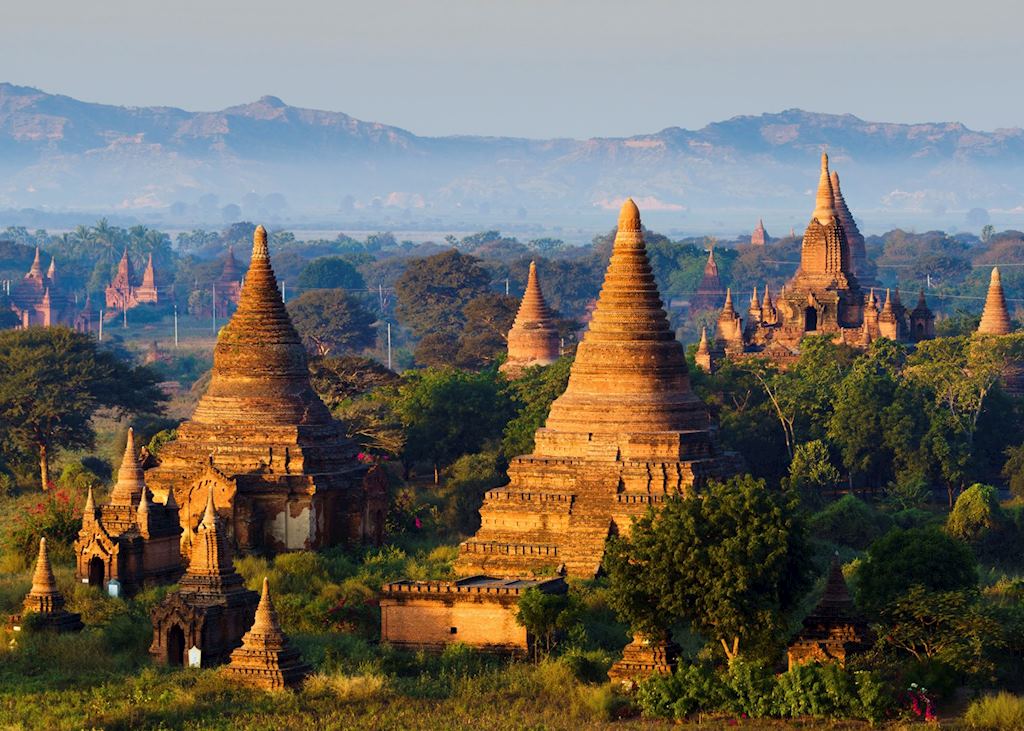
Planning your trip to Myanmar is a great way to get the most out of your vacation. Researching the best places to visit, and making a detailed itinerary of your trip, are essential steps to ensure that you won’t miss out on any of the amazing sights or experiences that Myanmar has to offer. From the ancient temples of Bagan to the bustling markets of Yangon, there’s something for everyone. Make sure to read up on the culture and customs to ensure you respect local traditions, and don’t forget to check out the country’s incredible food scene! With a bit of preparation, you’re sure to have an unforgettable trip!
Before jetting off to Myanmar, there are some things to consider. Firstly, make sure you have a valid passport and visa. Secondly, get to know the culture and customs of Myanmar. It’s important to understand the religious and cultural norms, as well as the dos and don’ts in the country. Finally, ensure you have comprehensive travel insurance to cover any medical costs or other unexpected expenses. As an 18 year old, it’s also important to plan ahead and have an itinerary for your trip. Research the different activities, sights and attractions to ensure you make the most of your time in Myanmar.
Know the Local Language: Learn some basic phrases of the local language to help you get around and communicate with the locals.

If you’re visiting Myanmar, it’s important to learn some basic phrases of the local language to make your trip easier. Knowing a few words of the local language can be so helpful when it comes to interacting with locals. Whether you’re asking for directions or trying to order food, a few phrases of Burmese can go a long way. I’m 21 and I’ve been learning Burmese for a few months now. I find it easy to learn and I’m sure you will too. There are plenty of online resources and apps that can help you get started. So, before you go, why not give it a try and learn some basic phrases of the Burmese language? It’s not as hard as you think and you’ll be glad you did!